
What Promotes Rest and Relaxation?

Summer is full of movement—kids out of school, weekend trips, longer days, and fuller calendars. Amidst the hustle of the season, our homes should offer something precious: stillness. Whether it’s a calming bedroom, a cozy reading corner, or a spa-inspired bath, your space can actively support your rest and recovery. At Smith Interior Design, we believe that beautiful design isn’t just about aesthetics—it’s about how a space makes you feel. So for our next blog series, we are focusing on how to slow down and rest in Florida's seemingly endless summer season! Here are our favorite ways to foster rest and relaxation through design.
1. Soothing Color Palettes That Speak to Calm
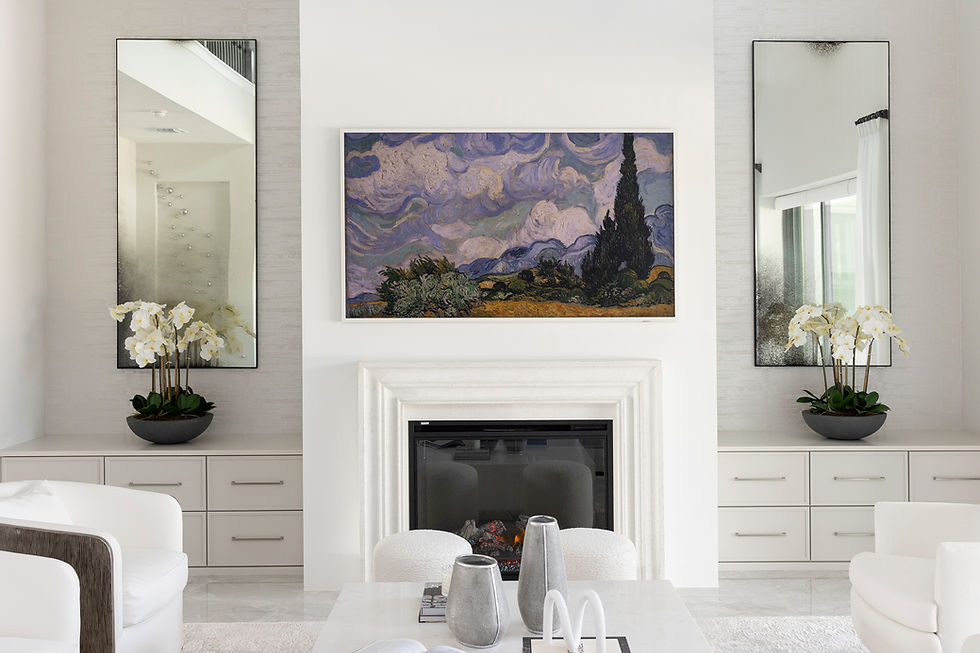
Color impacts our mood more than we realize. Soft, neutral hues like ivory, sand, and dove gray set a serene tone. Earthy greens or dusty blues echo natural elements—like lake water or fresh foliage—and can immediately slow the nervous system. For spaces to recharge in, we recommend:
Pale, tonal color schemes
Matte finishes over high-gloss
Limiting visual contrast (no jarring black-and-white schemes in the bedroom)
Even one fresh coat of paint can dramatically shift the energy of a room!

2. The Luxury of Less: Decluttering with Intention
Visual clutter creates mental clutter. That’s why we design with storage in mind—from hidden compartments in nightstands to well-planned built-ins in living areas. But rest doesn’t come from being empty—it comes from being intentional. Curate what’s visible. Keep only what brings function or beauty. Try:
Baskets for loose items
Trays to group essentials
A seasonal “edit” to keep accessories fresh and minimal
3. Natural Materials for a Tactile Sense of Ease
Incorporating materials that come from the earth reminds us to slow down. Linen drapery that moves with the breeze. A raw-edge wood coffee table. A rattan pendant above a cozy nook. These details may seem subtle, but they speak directly to the nervous system. Look for:
Light, breathable textiles (linen, cotton)
Organic elements like stone, wood, and clay
Pieces that invite touch and feel grounded


4. Lighting That Softens the Edges
Harsh overhead lights are the enemy of relaxation. Instead, layer your lighting:
Overhead (on a dimmer)
Table or floor lamps for evening hours
Accent lighting (wall sconces, LED strips, even candles)
Switch bulbs to a warm color temperature (2700K–3000K) to create a golden, cozy glow in the evening hours.
5. Create a Sensory Sanctuary
Design doesn’t stop with the eyes—it should speak to all five senses. A diffuser with lavender or eucalyptus oil. A soft playlist playing quietly in the background. Natural airflow from open windows or sheer drapes moving slightly in the breeze. Consider adding:
A signature scent in each room
Quiet spaces with no TV or tech
Soundscapes with soft, ambient music or natural sounds
True relaxation comes when your home works with your needs, not against them. When every piece and palette is chosen intentionally, your environment becomes part of your wellness routine. So take a breath. Dim the lights. Light a candle. And remember that in the right space, rest isn’t just possible—it’s inevitable!


Comments