
Master the Interior Design Consultation Process for Stunning Results

Over 60 percent of homeowners feel overwhelmed when starting a new interior design project. The excitement of refreshing your living space often comes with uncertainty about where to begin and how to make choices that fit both your style and your lifestyle. Understanding the step by step process can transform confusion into confidence, helping you shape a home that is both beautiful and practical from the very first step.
Table of Contents
Quick Summary
Key Point | Explanation |
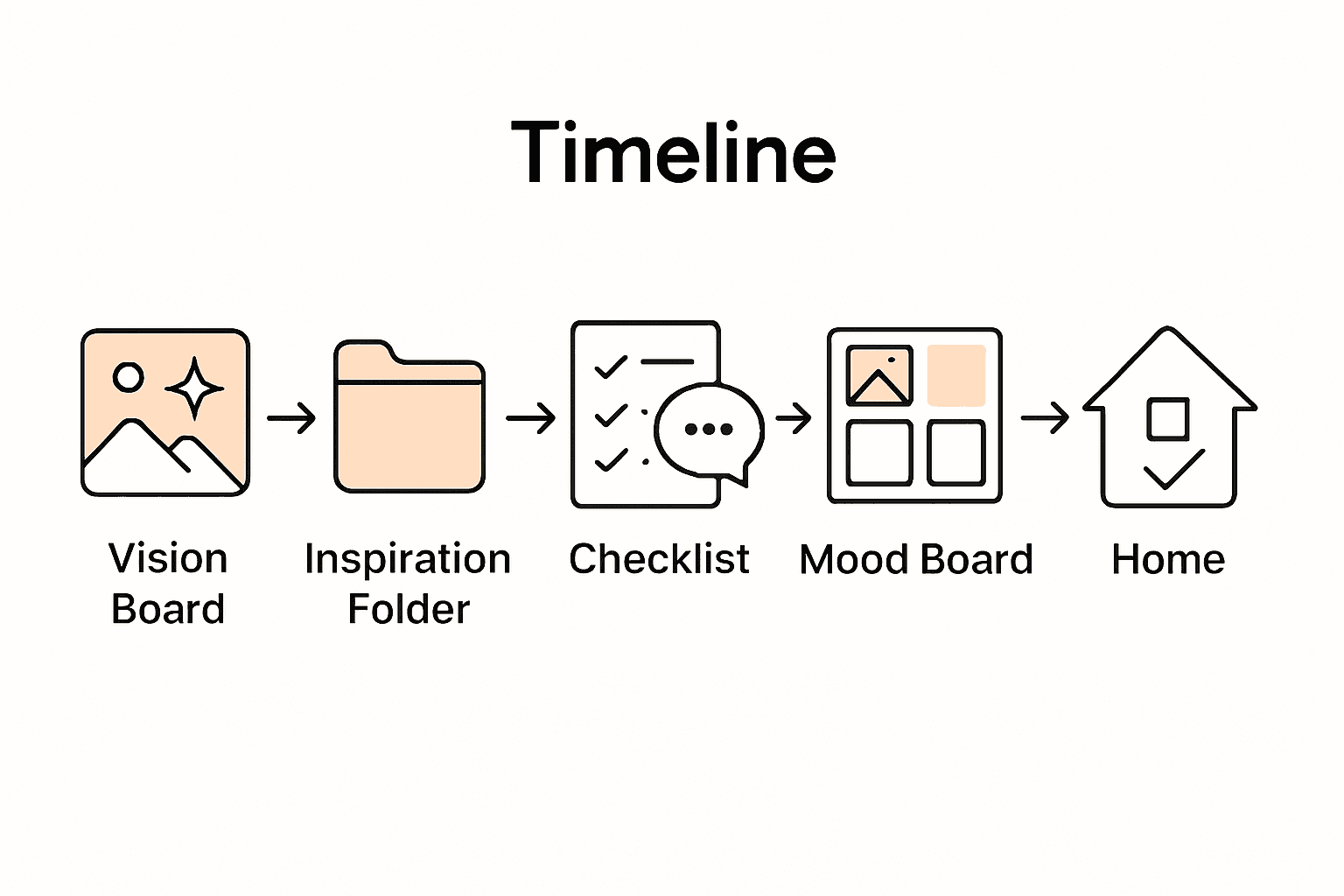
1. Define your design vision clearly | Create a mood board to define your aesthetic and functional needs for better clarity in design choices. |
2. Gather diverse inspiration sources | Collect ideas from nature, art, and architecture to expand your design perspective and identify preferred styles. |
3. Communicate requirements with clarity | Prepare a detailed design brief, including budget and lifestyle needs, to ensure accurate understanding between you and your designer. |
4. Review design concepts carefully | Assess concept boards for color harmony and overall composition to guarantee they align with your vision and functional needs. |
5. Ensure satisfaction with the final design | Walk through the space post-installation and ensure it meets your expectations and supports your lifestyle before finalizing. |
Step 1: Clarify Your Design Vision and Goals
Transforming your living space starts with crystallizing your design vision into something tangible and actionable. According to the Nevada Academic Standards for Housing and Interior Design, developing a comprehensive design concept requires carefully assessing your personal characteristics and analyzing your current environment.
Begin by creating a comprehensive mood board that visually represents your aesthetic preferences. Collect images from design magazines, Pinterest, and personal photographs that resonate with your style. Look for consistent color palettes, textures, and architectural elements that speak to you. As the Pratt Institute’s Interior Design Guide suggests, this process helps you narrow down broad design concepts into specific, focused directions that truly reflect your personality.
Pro tip: During this vision clarification stage, be honest about how you actually live in your space. Consider your daily routines, family dynamics, and practical needs. A stunning design that doesn’t support your lifestyle will quickly become frustrating. For instance, if you have young children or pets, choose materials and designs that are not just beautiful but also durable and easy to maintain. Explore our step by step interior design guide for more detailed insights into creating a functional and aesthetically pleasing living environment.
Step 2: Gather Inspiration and Assess Your Space
Now that you have a clear vision, it is time to dive into gathering inspiration and thoroughly assessing your current space. According to the 4-H Interior Design Study Guide, inspiration can come from multiple sources including nature, art, fabrics, and existing architectural elements that spark your imagination.
Start by creating a comprehensive mood board that captures your design vision. Collect paint swatches, fabric samples, flooring textures, and images that resonate with your aesthetic. As recommended by the 4-H Interior Design Packet, consider using digital tools like Google SketchUp to help visualize potential design configurations. Measure your space meticulously and sketch out potential furniture arrangements. Pay attention to natural light, existing architectural features, and traffic flow.
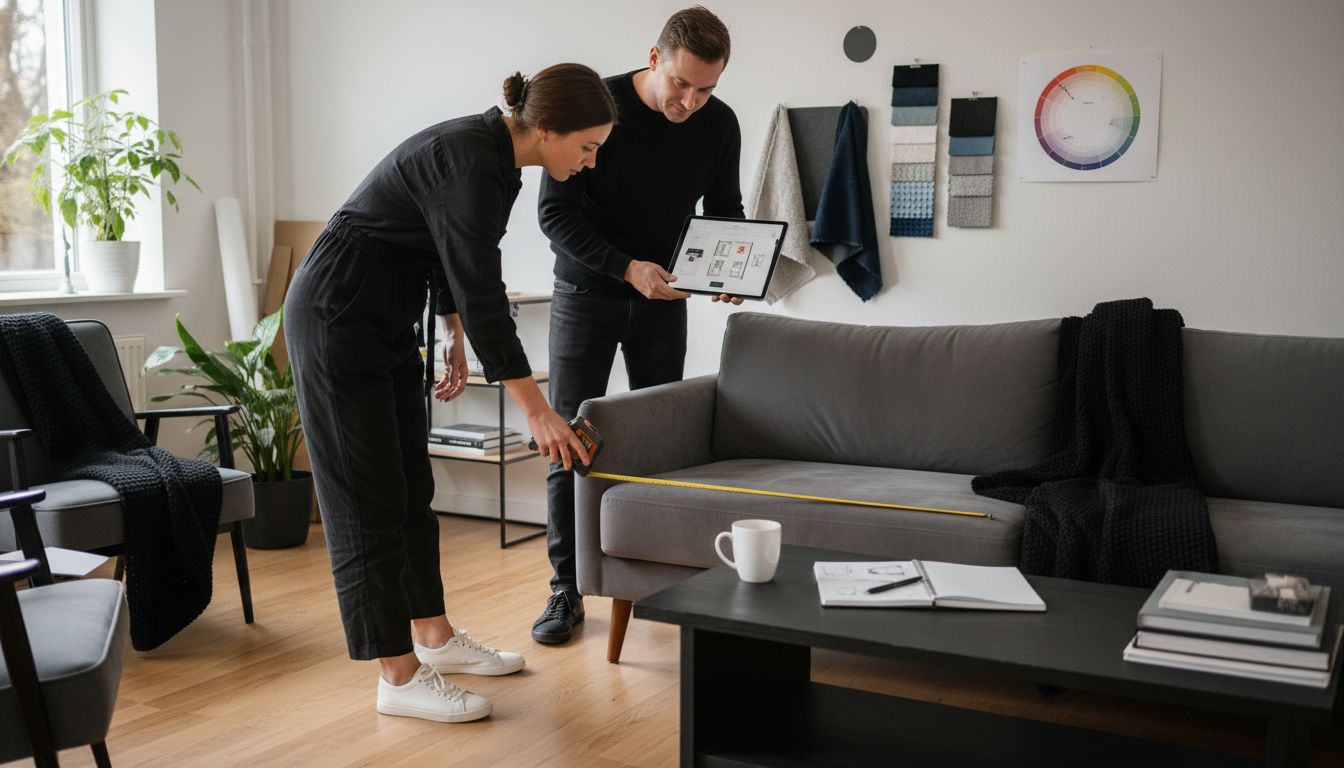
Pro tip: When assessing your space, be brutally honest about your practical needs. A design that looks stunning in a magazine might not work for your actual lifestyle. Learn how color can transform your spaces to ensure your inspiration translates into a functional and beautiful environment. Remember that great design balances aesthetic appeal with everyday practicality.
Step 3: Share Requirements with Your Designer
Effective communication is the cornerstone of a successful interior design project. According to the Nevada Academic Standards for Housing and Interior Design, developing a comprehensive design plan requires exceptional interviewing and listening skills to accurately assess client characteristics and needs.
Prepare a detailed brief that outlines your specific requirements, budget constraints, and design preferences. This document should include not just aesthetic desires but practical considerations such as lifestyle needs, family dynamics, and functional requirements. Be transparent about your expectations, potential challenges, and any must have elements for your space. As the Independent Study Guidelines suggest, active participation in selecting objectives is crucial for a successful design outcome.
Pro tip: During your initial consultation, bring visual aids like your mood board, measurements, and reference images. Explore our insights on renovating versus redecorating to help clarify the scope of your project. The more specific and honest you are about your vision and constraints, the more precisely your designer can translate your dreams into a tangible design plan.
Step 4: Review Concept Boards and Design Proposals
This stage transforms your initial design vision into tangible visual concepts. According to the 4-H Interior Design Study Guide, concept boards are critical tools for visualizing design elements by collecting paint samples, fabric swatches, furniture images, and material textures that collectively represent your design direction.
Carefully examine the concept board, paying close attention to how different elements interact and complement each other. As recommended by the 4-H Interior Design Packet, explore multiple furniture arrangements and color combinations to ensure the proposed design truly captures your aesthetic and functional requirements. Look beyond individual pieces and assess how the entire composition works together, considering factors like color harmony, spatial flow, and overall mood.
Pro tip: During your review, ask your designer specific questions about material durability, color selections, and potential customization options. Learn how design influencers approach interior transformation to gain additional perspective on making informed design choices. Remember that this is an collaborative process your feedback is crucial in refining the final design concept.
Step 5: Approve Plans and Schedule Implementation
With your design concept finalized, the next critical step is transforming vision into reality through careful planning and budgeting. According to the Nevada Academic Standards for Housing and Interior Design, developing a comprehensive budget is essential, involving detailed spreadsheet calculations to itemize costs and create realistic timelines that account for potential unexpected expenses.
Review the proposed implementation plan meticulously, focusing on the project timeline, budget allocations, and specific execution details. As outlined in the Independent Study Guidelines, effective project organization requires strategic scheduling and material selection to ensure smooth implementation. Discuss potential contingencies, confirm material procurement strategies, and establish clear communication protocols for tracking progress throughout the design process.
Pro tip: Create a flexible budget with a 10 to 15 percent buffer for unexpected costs or design adjustments. Learn about the nuances of renovation versus redecorating to help you make more informed decisions about your project scope. Remember that successful implementation is a collaborative journey that requires open communication and realistic expectations.
Step 6: Verify Satisfaction with the Final Interior Design
The final stage of your interior design journey is ensuring the completed space truly reflects your vision and meets your functional needs. According to research from the study on ‘Residential Interior Space Design’ Source, creating a personalized living environment requires a comprehensive assessment that goes beyond aesthetic appeal to evaluate comfort and individual requirements.
Carefully walk through the completed space, examining each element with a critical yet appreciative eye. Check that every design feature functions as intended and aligns with your original vision. Assess the spatial flow, lighting, furniture placement, and overall ambiance. As highlighted in the research on interior design impacts Source, the ultimate goal is creating a space that enhances your daily experience and supports your lifestyle.
Pro tip: Give yourself time to live with the new design before making final judgments. Explore insights on virtual interior design approaches to understand how design perspectives can evolve. Remember that great design is a living process that continues to adapt and grow with your changing needs.
Take Control of Your Interior Design Journey Today
Mastering the interior design consultation process can often feel overwhelming when you are unsure how to share your vision clearly or balance style with practical needs. This article highlights common challenges like clarifying your design goals, communicating specific requirements, and confidently reviewing design proposals. If you want to avoid costly mistakes and create a stunning space that truly fits your lifestyle, expert guidance is essential.
Smith Interior Design understands these key pain points and transforms them into strengths through a personalized approach focused on your unique preferences and everyday living. Discover how our attention to detail and transparent process can help you navigate everything from initial consultation to final implementation. Visit Smith Interior Design to explore detailed project descriptions, glowing client testimonials, and insights into how we make interior design seamless and rewarding.
Ready to bring your dream space to life with confidence and clarity Use our Step-by-Step Interior Design Guide to get started and then connect with our expert team. The perfect balance of beauty and function is waiting for you now.
Frequently Asked Questions
How can I clarify my design vision before an interior design consultation?
To clarify your design vision, start by creating a mood board that captures your aesthetic preferences. Collect images, colors, and materials that resonate with you, helping to focus your ideas for discussion during the consultation.
What specific information should I share with my designer during the consultation?
Share details about your lifestyle, budget constraints, and aesthetic desires with your designer. Prepare a comprehensive brief outlining these aspects to ensure your needs are accurately understood from the start of the project.
How do I effectively review concept boards and design proposals?
Carefully examine each element on the concept board, considering how they work together in terms of color, arrangement, and flow. Ask specific questions about durability and customization to ensure the design aligns with your vision and functional requirements.
What steps should I take to approve plans and schedule implementation?
Review the proposed implementation plan meticulously, focusing on the timeline and budget. Confirm all details with your designer and establish a flexible budget with a contingency fund for unexpected costs before moving forward.
How can I ensure my final design meets my expectations after implementation?
To ensure satisfaction, walk through the completed space and evaluate how well it reflects your vision and meets your functional needs. Take your time to live with the new design before finalizing your judgment, allowing you to see how it suits your daily life.
What can I do to prepare for my interior design consultation?
Prepare for your consultation by collecting visual aids like a mood board, measurements, and reference images. Having these materials on hand will facilitate clearer communication and help your designer understand your vision more effectively.
Recommended


Comments