
7 Inspiring Examples of Contemporary Living Rooms to Copy
- web46976
- Feb 2
- 9 min read
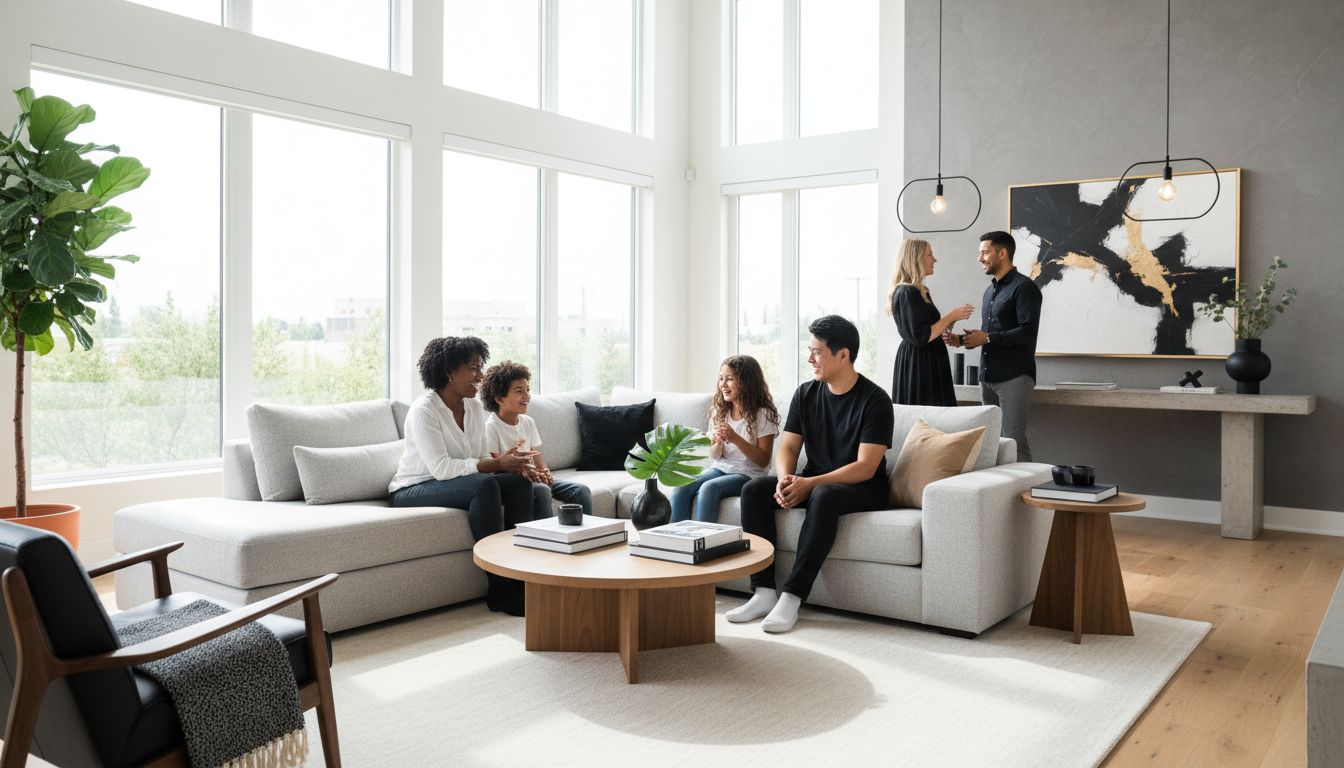
Did you know that open-concept designs can make rooms feel up to 30 percent larger compared to traditional layouts? Living rooms have evolved as more people crave space that feels bright, connected, and adaptable. With expert choices in color, furniture, and materials, it is possible to turn any living area into a modern retreat that looks inviting while working effortlessly for your everyday life.
Table of Contents
Quick Summary
Takeaway | Explanation |
1. Embrace open-concept layouts | Open-concept designs enhance light and flow, creating inviting and interconnected spaces. |
2. Utilize neutral color palettes | Neutral tones provide sophistication and expand visual space, making rooms feel brighter and more welcoming. |
3. Opt for minimalist furniture | Minimalist pieces focus on function and elegance, helping to maintain a clean and sophisticated look. |
4. Implement artistic lighting | Layered lighting creates mood and visual interest, enhancing the emotional appeal of your living room. |
5. Design functional layouts | Create versatile arrangements that facilitate movement and support everyday activities, transforming aesthetics into practicality. |
1. Open-Concept Living Rooms for Seamless Flow
Open-concept living rooms represent the pinnacle of modern interior design, transforming traditional compartmentalized spaces into fluid, interconnected environments. Drawing inspiration from architectural legends like the Farnsworth House, these layouts break down physical barriers to create a sense of expansiveness and connection.
The magic of open-concept design lies in its ability to merge living areas seamlessly, allowing natural light to flow and creating a sense of visual continuity. By eliminating walls between kitchen, dining, and living spaces, you create an intuitive and inviting atmosphere that feels both spacious and intimate.
Key Design Strategies for Seamless Flow:
Use consistent flooring materials throughout the connected spaces
Maintain a cohesive color palette to unify different areas
Strategically place furniture to define functional zones without creating visual barriers
Incorporate multilevel lighting to create depth and warmth
While open layouts offer tremendous aesthetic benefits, successful implementation requires thoughtful planning. Learn how to elevate your spaces through color to enhance the seamless flow and create a harmonious living environment.
The research from the 3D-FRONT dataset reveals that professionally designed open-concept spaces strategically use furniture and art to subtly subdivide areas while maintaining an overall sense of openness. This approach allows you to create functional zones without sacrificing the airy, connected feel that makes open-concept living so appealing.
Remember that open-concept design is not just about removing walls it is about creating a thoughtful, integrated living experience that reflects your lifestyle and aesthetic preferences.
2. Neutral Color Palettes That Brighten Spaces
Neutral color palettes are the secret weapon of sophisticated interior design transforming living spaces from ordinary to extraordinary with their understated elegance. These versatile backdrops create an atmosphere of calm and brightness that makes rooms feel expansive and welcoming.
Understanding Neutral Color Magic: Neutral tones like beige, taupe, and greige offer remarkable flexibility in design. They serve as a sophisticated canvas that allows your furniture and decor to shine while maintaining a sense of visual harmony. By selecting the right neutral palette, you can instantly elevate your living room’s aesthetic and create a sense of airiness.
Strategic Color Selection Techniques:
Choose warm neutral tones with subtle undertones
Layer different neutral shades for depth and interest
Use white trim or accents to enhance brightness
Incorporate textural elements to prevent flatness
The Art of Tranquility: Embracing Neutrals provides deeper insights into how these color schemes can transform your living environment.
Research demonstrates that soft greiges and warm beiges contribute to a light ambient atmosphere. These colors create visual breathing room without feeling sterile or cold. By thoughtfully selecting neutral tones, you can design a living space that feels simultaneously sophisticated and inviting.
The key is balance. Mix different neutral tones strategically to prevent monotony and introduce subtle visual interest that keeps your space dynamic and engaging.
3. Minimalist Furniture for a Clean Look
Minimalist furniture represents the pinnacle of modern interior design where less truly becomes more. By embracing clean lines and purposeful simplicity, you can transform your living room into a sophisticated sanctuary that breathes elegance and functionality.
Key Principles of Minimalist Furniture Design:
Choose furniture with clean geometric silhouettes
Select neutral color palettes
Prioritize quality over quantity
Focus on multifunctional pieces
Eliminate unnecessary decorative elements
Drawing inspiration from design pioneers like Troy Adams FusionDesign, minimalist furniture blends technological precision with practical American functionality. This approach creates living spaces that feel uncluttered yet incredibly intentional.
Your Style, Defined! provides additional insights into crafting a personal aesthetic through thoughtful furniture selection.
As architectural historian Edith Wharton emphasized in her seminal work ‘The Decoration of Houses’, simplicity in furniture arrangement creates a balanced and harmonious living environment. Minimalist furniture is not about stark emptiness but about carefully curated pieces that serve both aesthetic and practical purposes.
When selecting minimalist furniture, consider pieces with slim profiles, neutral tones, and multipurpose designs. A sleek leather sofa, a streamlined coffee table with hidden storage, or a modular shelving unit can dramatically transform your living space into a contemporary masterpiece.
4. Artistic Lighting to Set the Mood
Artistic lighting transcends mere illumination transforming living rooms into dynamic, emotionally resonant spaces that tell a story. More than functional fixtures, contemporary lighting serves as sculptural art that dramatically influences atmosphere and perception.
Strategic Lighting Design Principles:
Layer different light sources at varying heights
Select fixtures that complement your room’s aesthetic
Use dimmable options for versatile ambiance
Consider color temperature and intensity
Integrate statement pieces as focal points
Embracing Timeless Elegance: Diane Keaton and Aidan Gray’s Lighting Collection offers additional insights into selecting remarkable lighting designs.
Research from innovative design systems like VIDES demonstrates how strategic lighting placement can fundamentally transform interior spaces. Contemporary designers understand that lighting is not just about brightness but about creating emotional experiences.
Consider sculptural floor lamps with organic shapes, minimalist pendant lights that cast intriguing shadows, or clustered globe fixtures that create soft atmospheric glow. Each lighting choice becomes a deliberate design decision that reflects your personal aesthetic and enhances your living room’s overall emotional landscape.
5. Mixing Natural Materials for Texture
Natural materials are the secret language of contemporary interior design transforming living rooms from flat surfaces into rich multisensory experiences. By thoughtfully combining different textures and organic elements, you create spaces that feel alive, dynamic, and deeply connected to the natural world.
Strategies for Material Layering:
Combine wood with stone elements
Mix rough and smooth textures
Integrate natural fibers like wool and linen
Use materials with organic variations
Balance visual weight and textural complexity
Design innovators like Troy Adams demonstrate how materials such as basalt, lava stone, and bamboo can dramatically elevate interior spaces. These organic elements bring depth, character, and an intuitive sense of connection to contemporary living rooms.
Macro Sea’s design approach reveals how repurposed and salvaged materials can create uniquely textured environments that tell compelling visual stories. The key is intentional curation rather than random accumulation.
Think about pairing a smooth leather sofa with a rough woven jute rug, or combining sleek marble surfaces with warm wooden accent tables. These strategic material combinations create visual interest and invite touch creating living spaces that feel both sophisticated and welcoming.
6. Statement Walls with Modern Accents
Statement walls are the dramatic monologues of interior design transforming ordinary rooms into extraordinary visual narratives. They represent an intentional design choice that captures attention and communicates your personal aesthetic with bold confidence.
Creating Compelling Statement Walls:
Select one wall as your primary focal point
Choose high contrast colors or textures
Incorporate unique materials like textured plaster
Add strategic artwork or sculptural elements
Consider asymmetrical design approaches
Lime-Wash v. Paint v. Wallpaper: Battle at the Wall offers deeper insights into wall treatment techniques.
Inspired by architectural icons like the Farnsworth House, modern statement walls are about creating visual drama through minimalist design elements. These focal points serve more than aesthetic purposes they tell stories and create emotional resonance within your living space.
Think beyond traditional paint. Explore textured lime wash, geometric wallpapers, or large scale art installations that transform walls from passive backgrounds into active design elements. The goal is to create a space that feels intentional, curated, and authentically yours.
7. Functional Layouts for Everyday Living
Functional living room layouts are the unsung heroes of contemporary interior design transforming spaces from mere visual statements into intuitive environments that support real life. The key is creating a space that looks stunning while seamlessly adapting to your daily rhythms and activities.
Strategic Layout Principles:
Create multiple conversation zones
Allow clear pathways between furniture
Design flexible seating arrangements
Incorporate hidden storage solutions
Balance aesthetic appeal with practical functionality
Bespoke Home offers additional insights into personalized interior design strategies.
Research from the 3D-FRONT dataset reveals that successful layouts are about more than furniture placement they are about understanding how people naturally move and interact within a space. Modern design champions adaptability creating living rooms that can effortlessly transition from quiet reading nooks to vibrant entertainment zones.
Think modular furniture that can be easily reconfigured, multipurpose pieces like ottomans with storage, and seating arrangements that invite conversation while maintaining visual breathing room. The goal is a living room that feels both intentionally designed and wonderfully livable.
Below is a comprehensive table summarizing the main topics and strategies discussed throughout the article on modern interior design techniques.
Topic | Description | Key Considerations |
Open-Concept Living | Transforms spaces into fluid, interconnected environments by removing physical barriers for expansiveness and connection. | Use consistent flooring, a cohesive color palette, and strategic furniture placement. |
Neutral Color Palettes | Creates calm and brightness, making rooms feel expansive and welcoming. | Choose warm neutrals, layer shades, and incorporate texture to prevent flatness. |
Minimalist Furniture | Emphasizes simplicity with clean lines and multifunctional pieces. | Select neutral colors, prioritize quality, and choose furniture with geometric silhouettes. |
Artistic Lighting | Uses lighting as sculptural art to enhance atmosphere and create mood. | Layer lights at varying heights, use dimmable options, and integrate statement pieces. |
Mixing Natural Materials | Combines different textures for a dynamic, sensory-rich space. | Pair wood with stone, mix textures, and use organic materials like wool and linen. |
Statement Walls | Creates bold visual narratives with contrasting colors and unique materials. | Use textured elements, strategic artwork, and consider asymmetrical designs. |
Functional Layouts | Supports everyday living with adaptable, intuitive design. | Create conversation zones, ensure clear pathways, and incorporate hidden storage. |
Transform Your Living Room into a Contemporary Masterpiece Today
If you are inspired by the 7 Inspiring Examples of Contemporary Living Rooms to Copy but find the challenge of achieving a seamless open-concept flow, balancing neutral palettes, or selecting minimalist furniture overwhelming, you are not alone. Many seek to create functional layouts with artistic lighting and rich natural textures but need expert guidance to turn these concepts into reality. Smith Interior Design understands the emotional desire for a living space that feels both stylish and inviting while supporting your everyday life.
Discover how our professional team can help you elevate your home with thoughtful design solutions tailored to your unique style. From functional layouts that enhance daily living to statement walls that speak your personality, we are here to bring your vision to life. Explore our portfolio and insights at Smith Interior Design and learn how to achieve harmony in your home by reading Your Style, Defined!. Ready to start your transformation now Explore personalized design options by contacting us at Smith Interior Design and take the first step toward a living room you love.
Frequently Asked Questions
How can I create an open-concept living room?
To create an open-concept living room, start by eliminating unnecessary walls to promote a seamless flow between spaces. Use consistent flooring and a cohesive color palette to enhance the interconnected feel.
What are the benefits of using a neutral color palette in my living room?
A neutral color palette can make your living room feel more spacious and inviting by creating a calm atmosphere. Choose warm tones like beige or greige and layer different shades to add depth and interest.
How do I choose minimalist furniture for my living room?
When selecting minimalist furniture, focus on pieces with clean lines and neutral colors. Prioritize multipurpose items that enhance functionality while maintaining an uncluttered look, such as a coffee table with hidden storage.
What lighting strategies can enhance the mood in my living room?
To enhance the mood in your living room, layer different lighting sources at various heights, such as floor lamps and ceiling fixtures. Use dimmable options to adjust the ambiance for different occasions and consider a statement light fixture as a focal point.
How can I incorporate natural materials for a textured living room design?
Incorporate natural materials by mixing wood, stone, and textiles like wool or linen. Aim to pair smooth and rough textures, such as a leather sofa with a woven rug, to create visual interest and a warm atmosphere.
What are some ideas for creating a statement wall in my living room?
To create a captivating statement wall, choose one wall to highlight with bold colors or unique textures, like textured plaster or wallpaper. You can also incorporate eye-catching artwork or sculptural elements to draw attention and express your style.
Recommended

Comments