
7 Essential Interior Design Tips Every Homeowner Should Know
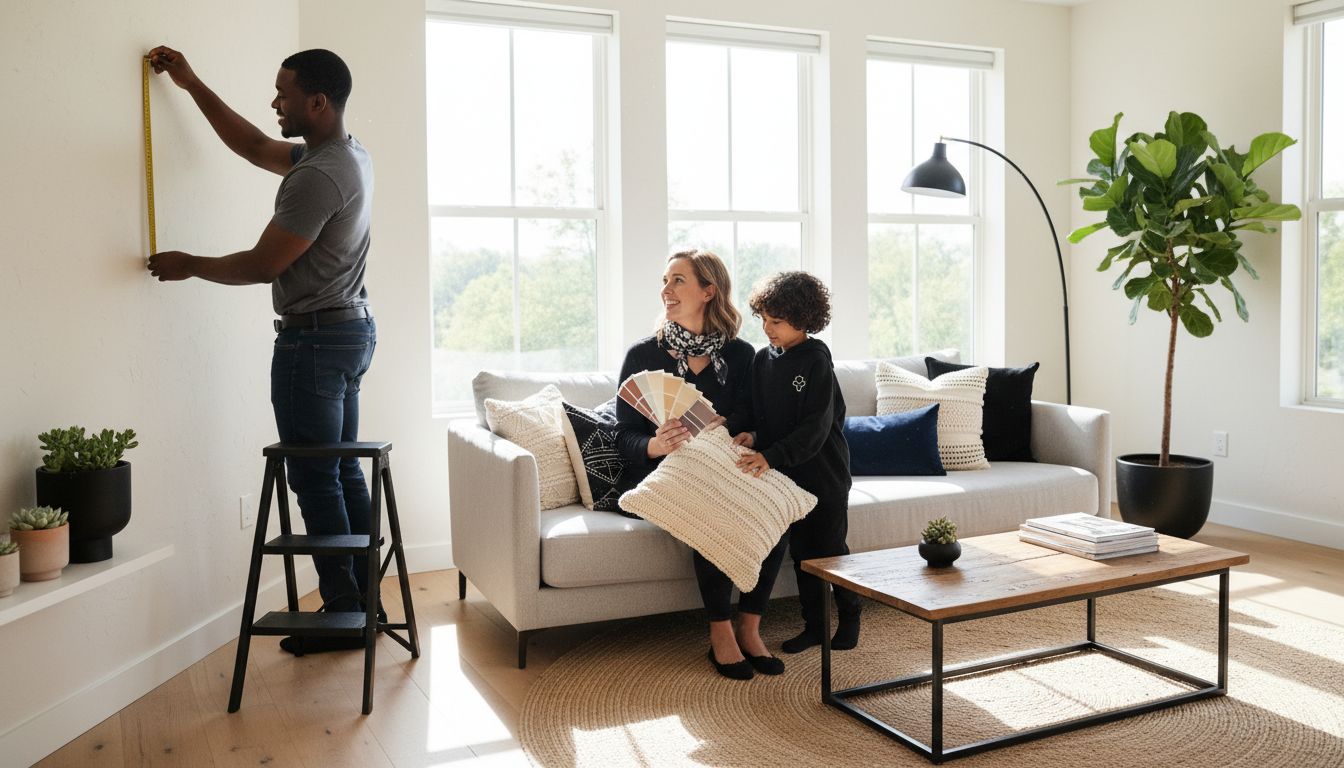
Did you know that over 80 percent of homeowners regret at least one major design choice after a renovation? Interior design is more than picking colors or furniture. It shapes how you feel, function, and connect at home every day. By focusing on clear vision, smart planning, and layering personal style, you can transform any room into a comfortable and stunning reflection of you.
Table of Contents
Quick Summary
Takeaway | Explanation |
1. Develop a Clear Vision First | Understand your purpose and assess your space before any design choices. |
2. Balance Your Color Palette | Choose a primary color with complementary tones for harmony. |
3. Optimize Natural Light | Incorporate natural light to enhance the ambiance of your space. |
4. Create Functional Furniture Layouts | Plan furniture placement for intuitive flow and usability. |
5. Personalize with Meaningful Accessories | Use curated accessories to reflect your personality in the design. |
1. Start With a Clear Vision and Assessment
Every stunning interior design journey begins with one critical step: developing a crystal clear vision for your space. Before you select a single paint color or move a single piece of furniture, you need to understand what you want to achieve and honestly assess your current environment.
According to architectural principles of functionalism, designing spaces must prioritize their intended purpose. This means your vision should go beyond aesthetic preferences and deeply consider how you actually live and use each room. Ask yourself key questions. How do you move through this space? What activities will happen here? What feelings do you want to evoke?
Practical Vision Assessment Steps:
Take comprehensive measurements of your room
Photograph the space from multiple angles
Create a basic floor plan sketch
List your functional requirements
Identify your design style preferences
A thorough initial assessment helps prevent costly mistakes and ensures your design reflects both your personality and practical needs. Think of this stage as creating a roadmap for your entire design project. Without a clear destination and understanding of your starting point, you might end up wandering aimlessly through design choices that never truly feel right.
Pro tip? Spend time truly observing your space. Walk through it multiple times. Notice how natural light moves, where furniture currently creates obstacles, and imagine the potential transformations. Your most successful design solutions will emerge from this deep, thoughtful observation.
2. Choose a Balanced Color Palette
Color is the silent storyteller of your interior design journey. When done right, it transforms spaces from ordinary to extraordinary.
Modern interior design has moved far beyond rigid color rules. Instead of strict matching, designers now recommend creating a harmonious palette through thoughtful tonal layering. This approach allows for more flexibility and personal expression in your living spaces.
Key Color Selection Principles:
Select a primary color that reflects your mood and style
Choose complementary secondary colors
Include neutral tones for balance
Test colors in different lighting conditions
As design experts warn, failing to test paint colors throughout the day can lead to expensive repainting mistakes. Natural light dramatically changes how colors appear from morning to evening. Our recommendation? Always purchase sample swatches and observe how they transform in your specific space.
Learning to balance colors is like creating a visual symphony. Each shade plays a role much like musical notes creating harmony. Want more insights? Check out our How To Elevate Your Spaces Through Color article for deeper exploration.
Pro tip? Start with a neutral base and gradually introduce more vibrant tones. This approach ensures your space feels intentional and cohesive without overwhelming the senses.
3. Incorporate Natural Light Effectively
Natural light is the secret weapon of exceptional interior design. It transforms spaces from ordinary rooms into vibrant environments that feel alive and energizing.
Sustainable design principles emphasize natural light as more than just an aesthetic choice. According to research, strategic light optimization reduces reliance on artificial lighting and promotes energy efficiency. This means better environmental impact and lower electricity bills.
Natural Light Enhancement Strategies:
Remove heavy window treatments
Use light colored window frames
Position mirrors strategically
Choose translucent window coverings
Keep windows clean and unobstructed
Mirrors are particularly powerful in this approach. By carefully positioning reflective surfaces, you can dramatically expand a room’s perceived size and brightness. Professional designers recommend placing mirrors directly opposite windows to maximize light distribution.
Think of natural light like an invisible design element. It shifts and changes throughout the day creating dynamic environments that feel organic and refreshing. Your goal is to welcome this natural illumination rather than block it.
Pro tip? Experiment with different window treatments that allow flexibility. Sheer curtains can provide privacy while still permitting abundant light transmission. Want deeper insights into creating luminous spaces? Check out our How To Elevate Your Spaces Through Color guide for additional tips on working with light and color.
4. Mix Textures and Materials for Depth
Design magic happens when you create visual intrigue through thoughtful material combinations. Texture is the secret ingredient that transforms flat spaces into rich sensory experiences.
Transitional design principles demonstrate how blending traditional and modern elements can create wonderfully balanced environments. By strategically mixing materials like smooth glass with rough woven textiles or sleek metal with warm wood tones, you invite complexity and visual interest into your space.
Texture Mixing Strategy:
Combine soft fabrics with hard surfaces
Layer different material weights
Use organic elements like wood or stone
Integrate metallic accents for contrast
Play with matte and glossy finishes
Think of texture like seasoning in cooking. A little variation goes a long way. Soft velvet throw pillows against a leather sofa. Rough ceramic vases near smooth marble surfaces. Each combination tells a nuanced design story.
For those wanting deeper insights into creating visually rich spaces, our The Art of Tranquility: Embracing Neutrals article offers additional guidance on harmonizing different design elements.
Remember that texture is not just visual it is tactile. Walk through your space and feel the surfaces. Your goal is creating an environment that looks incredible and feels inviting. Texture transforms rooms from simply functional to extraordinarily memorable.
5. Plan Functional Furniture Layouts
A well-designed room is not just about looking good it is about working brilliantly for your lifestyle. Furniture placement can make or break the entire functionality of your living space.
Experts recommend creating distinct zones and strategically positioning furniture to eliminate dead spaces. This means moving furniture away from walls and thinking about how you actually move and live in a room. The goal is to craft layouts that feel both intuitive and inviting.
Functional Furniture Layout Principles:
Create conversation areas
Allow clear walking paths
Define specific activity zones
Consider traffic flow
Balance furniture scale and proportion
Imagine your room like a choreographed dance. Each piece of furniture should have purpose and relationship to other elements. Avoid pushing everything against walls which can make spaces feel sterile and disconnected.
For those wrestling with workspace design challenges, our article on 6 Office Design Mistakes That Are Killing Your Productivity offers additional insights into creating purposeful environments.
Pro tip? Use masking tape on the floor to outline furniture placement before actually moving pieces. This helps you visualize traffic patterns and spatial relationships without heavy lifting. Your room should feel like a welcoming ecosystem where form meets function seamlessly.
6. Personalize Spaces With Accessories
Accessories are the storytellers of interior design transforming rooms from generic spaces into vibrant reflections of your personality. Think of them as the punctuation marks that add excitement and meaning to your design narrative.
Investing in statement art pieces and thoughtfully curated personal items can elevate a space from standard to extraordinary. The secret? Applying design principles like the odd number rule which creates visually dynamic arrangements.
Accessory Styling Strategies:
Choose meaningful artwork
Display personal collections
Mix textures and heights
Create intentional vignettes
Tell a personal story through objects
Imagine accessories as conversation starters. A vintage travel photograph. A handcrafted pottery piece from your favorite local artist. A collection of books that reveal your passions. These aren’t just decorations they are fragments of your personal journey.
For those wanting to master the art of styling small moments, our guide on How to Style Vignettes & Little Moments offers deeper insights into creating curated spaces that feel authentically you.
Pro tip? Group accessories in clusters of three. This creates visual interest and prevents your displays from feeling too rigid or staged. Your space should feel like a living, breathing representation of who you are.
7. Embrace Modern Rustic or Contemporary Touches
Design is a delicate dance between honoring tradition and celebrating innovation. Modern rustic and contemporary styles offer a beautiful opportunity to blend timeless comfort with sleek sophistication.
Transitional design principles reveal that combining traditional and contemporary elements creates spaces that feel both familiar and forward thinking. This approach allows you to craft environments that are simultaneously warm and cutting edge.
Modern Rustic Design Strategies:
Mix raw natural materials with clean lines
Select neutral color palettes
Incorporate sustainable design elements
Balance rough textures with smooth surfaces
Highlight architectural simplicity
Imagine exposed wooden beams alongside minimalist metal light fixtures. Picture organic linen upholstery paired with streamlined geometric side tables. These combinations create visual poetry that speaks to both heritage and progress.
Interested in exploring design trends that push boundaries? Our Top 9 Interior Design Trends for 2025 article offers deeper insights into emerging stylistic movements.
Pro tip? Think of your space as a narrative. Modern rustic design tells a story of where we come from and where we are going a seamless conversation between past and present.
Below is a comprehensive table summarizing the key steps and strategies for successful interior design as discussed in the article.
Main Step | Key Points & Actions | Benefits/Outcomes |
Start With a Clear Vision | Assess current environment, measure space, and define functional needs. | Prevents costly mistakes and aligns with personal and practical needs. |
Choose a Balanced Color Palette | Select primary and complementary colors; test in various lighting conditions. | Creates harmonious, aesthetically pleasing spaces. |
Incorporate Natural Light Effectively | Remove obstructions, use mirrors, and clean windows. | Enhances energy efficiency and ambiance. |
Mix Textures and Materials for Depth | Combine textiles, metals, and natural elements; explore different finishes. | Adds visual and sensory interest. |
Plan Functional Furniture Layouts | Create zones, ensure clear paths, and use masking tape to plan layouts. | Maximizes space functionality and flow. |
Personalize Spaces With Accessories | Choose meaningful art, curate collections, and create vignettes. | Reflects personal style and narrative. |
Embrace Modern Rustic or Contemporary Touches | Mix natural materials with clean lines; highlight simplicity and sustainability. | Balances tradition and modernity, creating timeless yet innovative spaces. |
Transform Your Home Into a Functional and Beautiful Sanctuary Today
Creating a space that truly reflects your lifestyle and personality can feel overwhelming. This article highlights common challenges like balancing color palettes, optimizing natural light, and arranging furniture for maximum comfort and flow. If you find yourself struggling with these essential steps, you are not alone. Your home deserves more than guesswork — it needs expert guidance tailored to your unique vision and space.
Discover how Smith Interior Design blends aesthetic appeal with practical solutions to bring your dream home to life. From precise space assessments and purposeful furniture layouts to capturing your personal style through accessories, their professional team ensures every detail elevates your environment. Don’t wait to live beautifully and functionally—explore their recent projects and read inspiring client stories. Take the first step now toward a home that truly works for you.
Frequently Asked Questions
How do I develop a clear vision for my interior design project?
Start by assessing your current space and understanding how you intend to use each room. Take measurements, photograph the space, and list your functional requirements to create an informed design roadmap.
What are the key steps to choosing a balanced color palette for my home?
Begin by selecting a primary color that reflects your personal style and mood. Complement this with secondary colors and neutral tones, then test how these appear in different lighting conditions to ensure harmony throughout your space.
How can I maximize natural light in my home?
To enhance natural light, remove heavy window treatments, use light-colored window frames, and strategically position mirrors opposite windows. Aim to keep windows clean and unobstructed, allowing light to flow freely into your space.
What furniture layout principles should I follow to enhance functionality?
Focus on creating distinct zones within your room and positioning furniture to allow clear walking paths. Avoid pushing furniture against the walls, and instead, design arrangements that encourage conversation and feel inviting.
How can I effectively personalize my space with accessories?
Choose accessories that reflect your personality, such as meaningful artwork and personal collections. Group items to create intentional vignettes and cluster them in threes to enhance visual interest and storytelling.
What are the elements of modern rustic design that I can incorporate?
To embrace modern rustic style, mix raw natural materials with clean lines and select neutral color palettes. Incorporate sustainable design elements and balance rough textures with smooth surfaces to create a warm, sophisticated environment.
Recommended


Comments